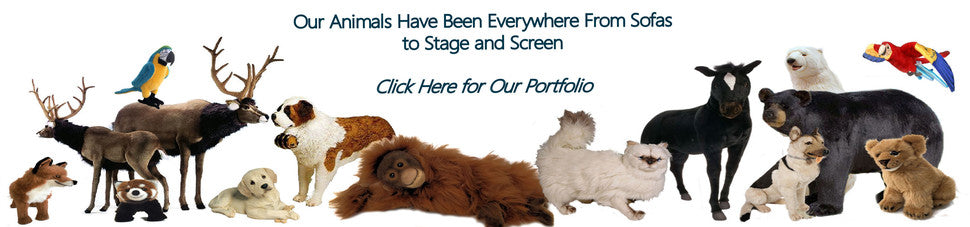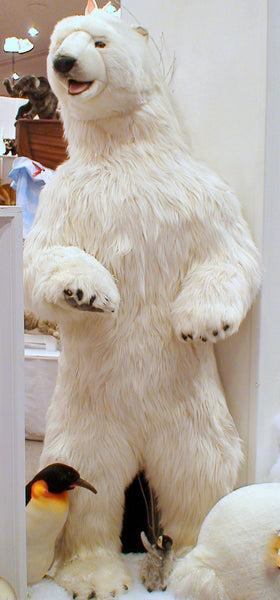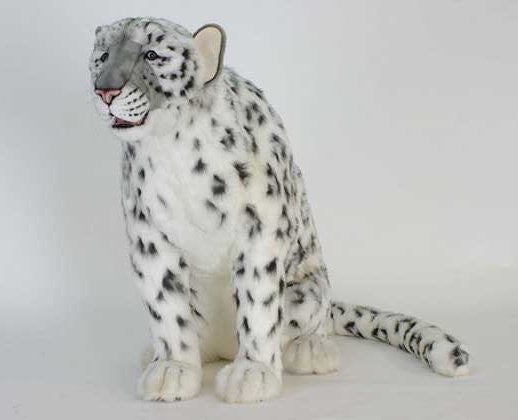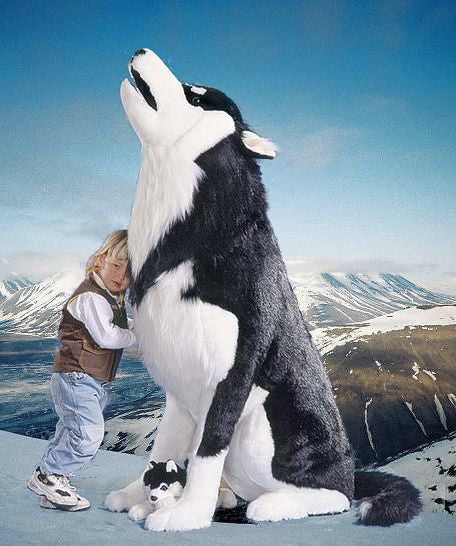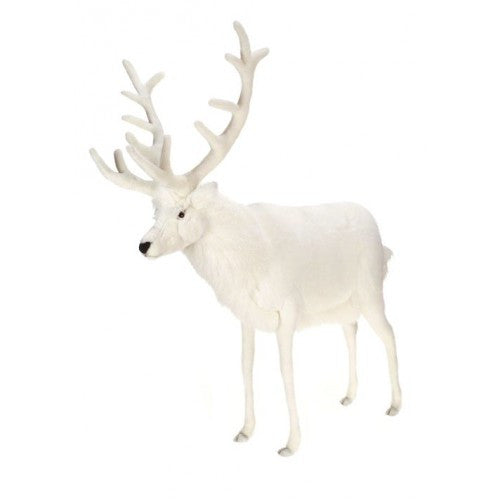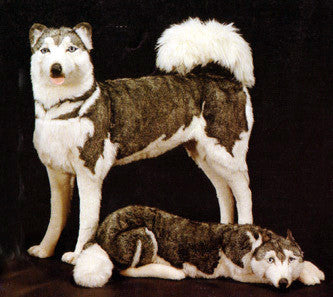
Become aBig Furry FriendsV.I.P.We bring you the world’s most luxurious handmade stuffed plush animals. Not just great personal gifts, these beautiful pieces make great mascots, corporate gifts, and display pieces for homes, offices, theatre, commercial and movie props.Collectors young and old agree these are keepsakes for a lifetime!
All Farm BirdsAll BirdsMotherGooseHandmadeItem Number: 90rm73Size: 17”L x 8”W x 16.25”H$ 68.00This is a hand-crafted collection of realistic plush, sometimes lifesize animals. The "coat" of each animal is meticulously cut by hand, never stamped out by machine. Gentle paws, swishing tails, and especially soulful eyes and faces are lovingly detailed to give each character a life-like look.The word goose (plural: geese) is the English name for a considerable number of birds, belonging to the family Anatidae. This family also includes swans, most of which are larger than true geese, and ducks, which are smaller.This article deals with the true geese in the subfamily Anserinae, tribe Anserini.A number of other waterbirds, mostly related to the shelducks, have "goose" as part of their name.The word Goose is a direct descendant of Proto-Indo-European root, *ghans-. In Germanic languages, the root gave Old English gos with the plural ges and gandra (becoming Modern English goose, geese, and gander, respectively), New High German Gans, Gänse, and Ganter and Old Norse gas. This term also gave Lithuanian žasìs, Irish gé (swan, from Old Irish géiss), Latin anser, Greek chen, Albanian gatë (heron), Sanskrit hamsá, Avestan zao, Polish ges, Russian ????.The term goose applies to the female in particular. The word gander is used for a male in particular. Young birds before fledging are called goslings. A group of geese on the ground is called a gaggle; when geese fly in formation they are called a wedge or a skein (see also list of collective nouns for birds).Geese are commonly described as silly, as in the proverb that "it is a silly goose that comes to the fox's sermon". The phrase "silly goose" is of some antiquity, as the Old English word seely was commonly applied to animals such as sheep and geese, indicating their careless innocence and hapless but blessed natureMother Goose is a well-known figure in the literature of fairy tales and nursery rhymes which are often published as Mother Goose Rhymes as if Mother Goose herself were the author or collector. As a character, she appears in one "nursery rhyme". A Christmas pantomime called "Mother Goose" is often performed in the United Kingdom. The so-called "Mother Goose" rhymes and stories have formed the basis for many classic British pantomimes. Mother Goose is generally depicted in literature and book illustration as an elderly country woman in a tall hat and shawl, but is sometimes depicted as a goose.Mother Goose is the name given to an archetypal country woman. English readers were familiar with Mother Hubbard, already a stock figure when Edmund Spenser published his satire "Mother Hubbard's tale", 1590; with the superstitious advice on getting a husband or a wife of "Mother Bunch", who was credited with the fairy stories of Mme d'Aulnoy when they first appeared in English. Mother Goose is credited with the Mother Goose stories and rhymes; yet no specific writer has ever been identified with such a name, of which the first known mention appears in an aside in a versified chronicle of weekly happenings that appeared regularly for several years, Jean Loret's La Muse Historique, collected in 1650. His remark, ...comme un conte de la Mere Oye ("...like a Mother Goose story") shows that the term was already familiar.Mary Goose's gravestone in Granary Burying Ground is shown to tourists in Boston, Massachusetts In spite of evidence to the contrary, there are doubtful reports, familiar to tourists to Boston, Massachusetts that the original Mother Goose was a Bostonian wife of an Isaac Goose, either named Elizabeth Foster Goose (1665-1758) or Mary Goose (d. 1690, age 42) who is interred at the Granary Burying Ground on Tremont Street. According to Eleanor Early, a Boston travel and history writer of the 1930s and '40s, the original Mother Goose was a real person who lived in Boston in the 1660s. She was reportedly the second wife of Isaac Goose (alternatively named Vergoose or Vertigoose), who brought to the marriage six children of her own to add to Isaac's ten. After Isaac died, Elizabeth went to live with her eldest daughter, who had married Thomas Fleet, a publisher who lived on Pudding Lane (now Devonshire Street). According to Early, "Mother Goose" used to sing songs and ditties to her grandchildren all day, and other children swarmed to hear them. Finally, her son-in-law gathered her jingles together and printed them.
LuxuryAll our animals are hand-made from the finest plush stuffed animal artisans in the world.They are life-like, some lifesize and all realistic with careful attention to detail.They make an impressive gift, whether corporate or personal, but also make a statement as a corporate mascot or display at your company’s headquarters.Our plush animals are used for staging homes for sale, creating themed weddings, conventions and events where these furry friends add a real ‘wow factor’.Our life-like plush stuffed animals have also been used in museums, as well as theatrical props in movies, commercials and on live stage productions all over the world.What is contained here is a sampling of what our artisans have to offer - If you can imagine it, we can create it for you!PhotographyStudio Props - Interior designStagingfor home rental or sale Non-taxidermy Propsfor Commericals, Television, Moviesand Theatre Stage Museumdisplays Themed Decorfor weddings, parties, corporate eventsCorporate gift ideas and Mascots, College and other school Mascots,Luxurygifts for, friends, family or yourself. Luxurious Costumes for Carnevale, Halloween and dress-up. Corporate Branding If we don’t have it, we can create it just for you You deserve theVery Best