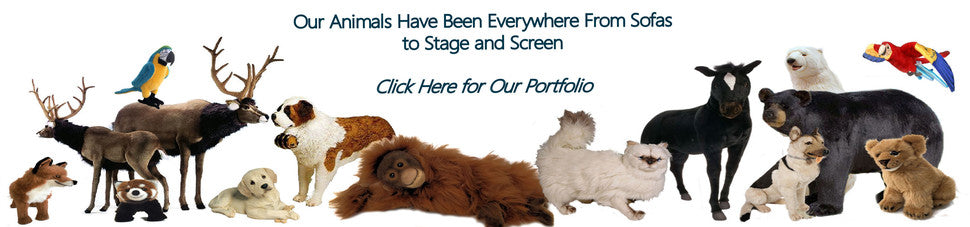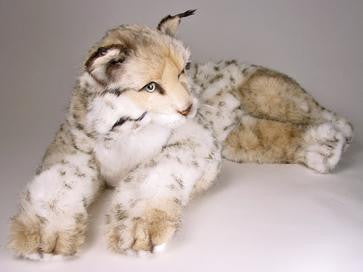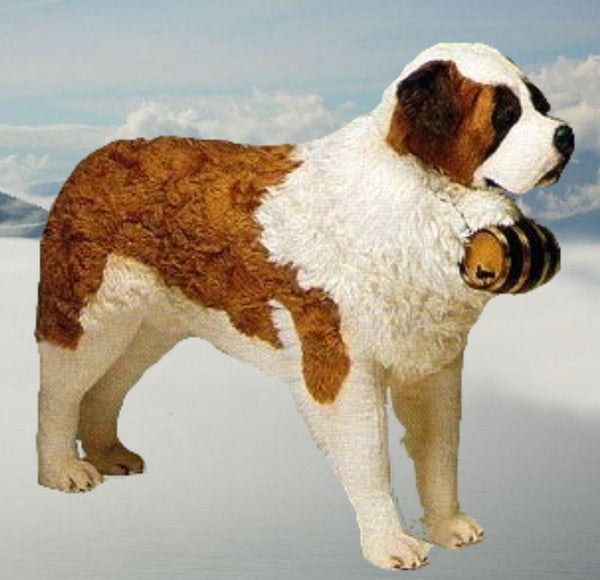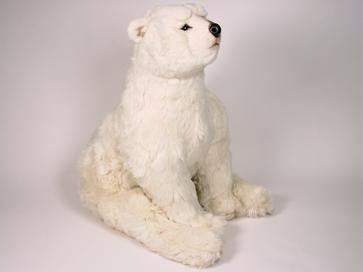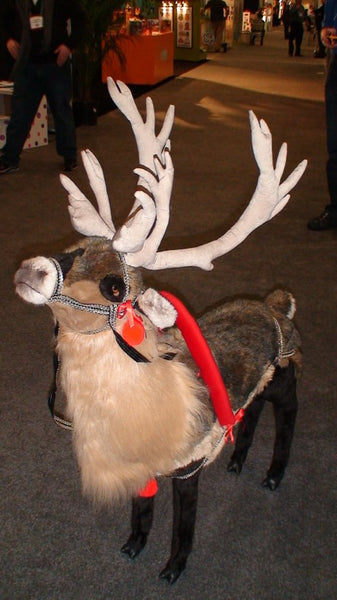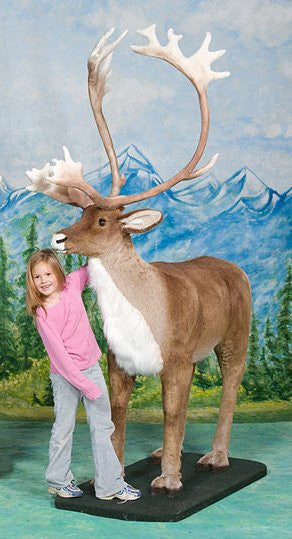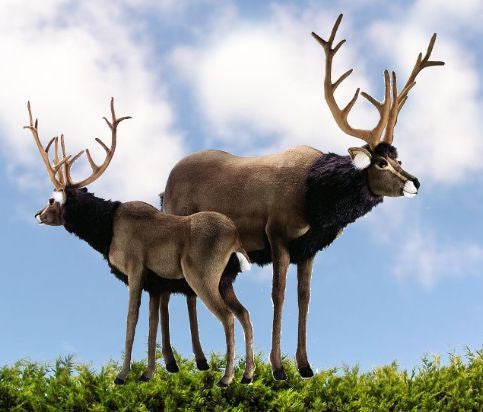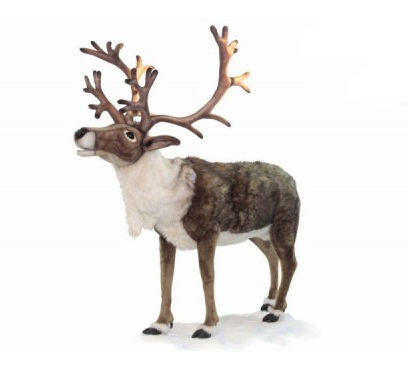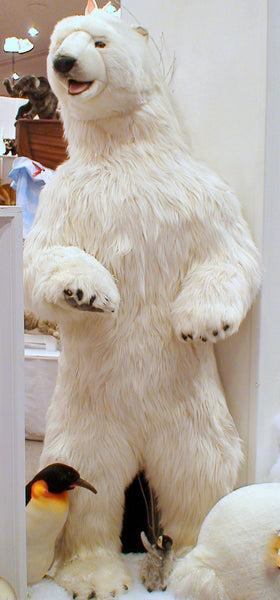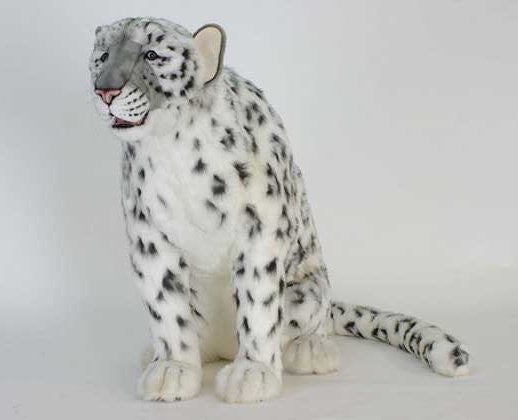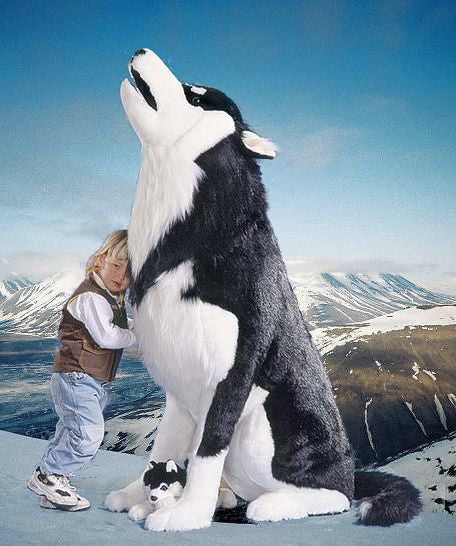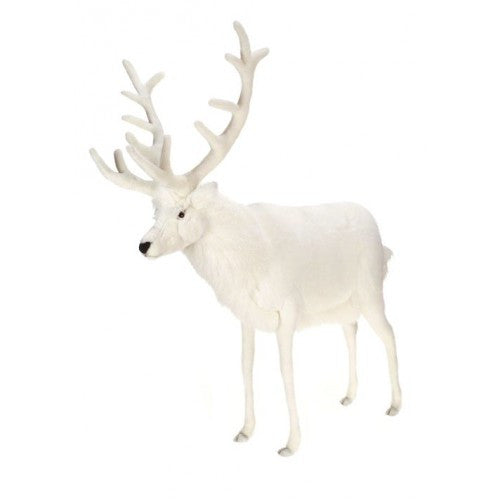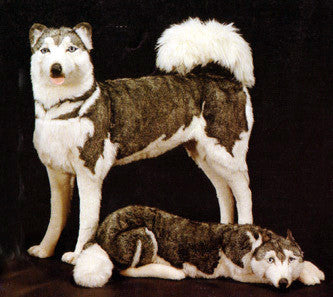
Become aBig Furry FriendsV.I.P.We bring you the world’s most luxurious handmade stuffed plush animals. Not just great personal gifts, these beautiful pieces make great mascots, corporate gifts, and display pieces for homes, offices, theatre, commercial and movie props.Collectors young and old agree these are keepsakes for a lifetime!
All Farm BirdsAll BirdsMister GobblesTurkeyHandmadeItem Number: 52rm74Size: 15.75”L x 12”W x 18.5”HShipping: Included within the Continental United States$ 164.00A turkey is either of two or three living species of large birds in the genus Meleagris. One species, Meleagris gallopavo, commonly known as the Wild Turkey, is native to the forests of North America. The other species, Meleagris ocellata, known as the Ocellated Turkey, is native to the forests of the Yucatán Peninsula.The domestic turkey is a descendant of the Wild Turkey and features prominently in the menu of the U.S. and Canadian holidays of Thanksgiving and that of Christmas in many countries.Turkeys are classed in the taxonomic order of Galliformes. Within this order they are relatives of the family/subfamily Tetraonidae (grouse). Turkeys have a distinctive fleshy wattle that hangs from the underside of the beak, and a fleshy protuberance that hangs from the top of its beak called a snood. With wingspans of 1.5–1.8 metres (4.9–5.9 ft), the turkeys are by far the largest birds in the open forests in which they live. As with many galliform species, the female (hen) is smaller and is much less colorful than the male (tom or gobbler).When Europeans first encountered turkeys in the America Continent they incorrectly identified the birds as a type of guineafowl (Numididae), also known as Turkey fowl (or Turkey hen and Turkey cock) from their importation to Central Europe through Turkey, and that name, shortened to just the name of the country, stuck as the name of the bird. The confusion between these kinds of birds from related but different families is also reflected in the scientific name for the turkey genus: meleagris is Greek for guineafowl. The domesticated turkey is attributed to Aztec agriculture, which addressed one subspecies of Meleagris gallopavo local to the present day states of Jalisco and Guerrero.The names for M. gallopavo in other languages also frequently reflect its exotic origins, seen from an Old World viewpoint, and add to the confusion about where turkeys actually came from. The many references to India seen in common names go back to a combination of two factors: first, the genuine belief that the newly-discovered Americas were in fact a part of Asia, and second, the tendency during that time to attribute exotic animals and foods to a place that symbolized far-off, exotic lands. The latter is reflected in terms like "Muscovy Duck" (which is from South America, not Muscovy). This was a major reason why the name Turkey fowl stuck to Meleagris rather than to the guinea fowl (Numida meleagris): the Ottoman Empire represented the exotic East.[original research?]The name given to a group of turkeys is a rafter, although they are sometimes incorrectly referred to as a gobble or flock.[4]Several other birds which are sometimes called turkeys are not particularly closely related: the Australian Brush-turkey is a megapode, and the bird sometimes known as the "Australian Turkey" is in fact the Australian Bustard, a gruiform. The bird sometimes called a Water Turkey is actually an Anhinga (Anhinga rufa).While large domesticated turkeys are generally unable to fly, smaller, lighter domesticated turkeys known as heritage turkeys and wild turkeys can fly. In domesticated turkeys the ability to fly depends directly on weight, while even heavy adult wild turkeys can fly well enough to avoid predators by taking off and flying up to 100 yards (91 m) and perching in tree branches. Turkey poults (chicks) cannot fly for the first two weeks after hatching.This is a hand-crafted collection of realistic plush, sometimes lifesize animals. The "coat" of each animal is meticulously cut by hand, never stamped out by machine. Gentle paws, swishing tails, and especially soulful eyes and faces are lovingly detailed to give each character a life-like look.
LuxuryAll our animals are hand-made from the finest plush stuffed animal artisans in the world.They are life-like, some lifesize and all realistic with careful attention to detail.They make an impressive gift, whether corporate or personal, but also make a statement as a corporate mascot or display at your company’s headquarters.Our plush animals are used for staging homes for sale, creating themed weddings, conventions and events where these furry friends add a real ‘wow factor’.Our life-like plush stuffed animals have also been used in museums, as well as theatrical props in movies, commercials and on live stage productions all over the world.What is contained here is a sampling of what our artisans have to offer - If you can imagine it, we can create it for you!PhotographyStudio Props - Interior designStagingfor home rental or sale Non-taxidermy Propsfor Commericals, Television, Moviesand Theatre Stage Museumdisplays Themed Decorfor weddings, parties, corporate eventsCorporate gift ideas and Mascots, College and other school Mascots,Luxurygifts for, friends, family or yourself. Luxurious Costumes for Carnevale, Halloween and dress-up. Corporate Branding If we don’t have it, we can create it just for you You deserve theVery Best