- Arctic
- Water
- Bears
- Birds
- Cats
-
Dogs
- Afghan Hounds
- Airedale Terriers
- Basset Hounds
- Beagles
- Belgian Sheepdogs
- Bernese Mountain Dogs
- Bloodhounds
- Bolognese
- Border Collies
- Borzois
- Boston Terriers
- Boxers
- Brittany Spaniels
- Bull Terriers
- Bulldogs
- Cavalier King Charles Spaniels
- Chihuahuas
- Chinese Shar-Peis
- Chow Chows
- Cocker Spaniels
- Collies
- Cotons de Tulear
- Dachshunds
- Dalmatians
- Doberman Pinschers
- Dogues de Bordeaux
- English Bulldogs
- Epagneuls Breton
- French Bulldogs
- German Pointers
- German Shepherds
- Golden Retrievers
- Gordon Setters
- Great Danes
- Greyhounds
- Havanese
- Husky Dogs
- Irish Setters
- Jack Russell Terriers
- Labrador Retrievers
- Leonbergers
- Lhasa Apsos
- Maltese
- Maremma Sheepdogs
- Miniature Schnauzers
- Neapolitan Mastiffs
- Newfoundlands
- Old English Sheepdogs
- Papillons
- Pekingese
- Pembroke Welsh Corgis
- Pit Bulls
- Pomeranians
- Poodles
- Portuguese Water Dogs
- Pugs
- Rottweilers
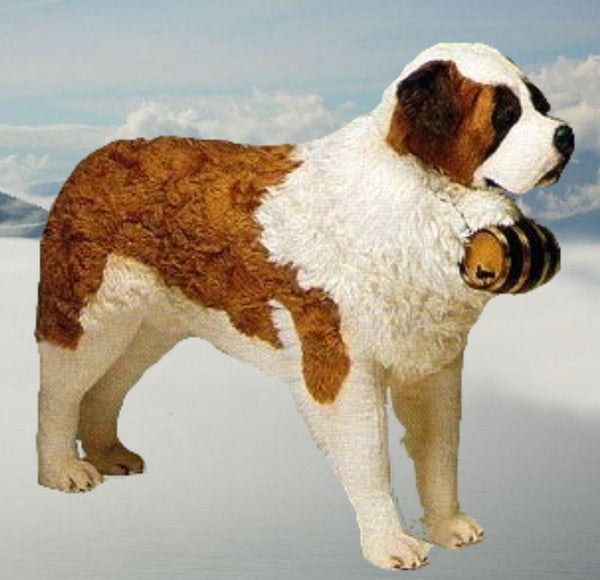
- Saint Bernards
- Samoyeds
- Scottish Terriers
- Shetland Sheepdogs
- Shiba Inus
- Shih Tzus
- Siberian Huskies
- Skye Terriers
- Wheaten Terriers
- Spinoni Italiano
- Weimaraners
- Welsh Terriers
- West Highland Terriers
- Dinos
- Farm
- Wild
- Woodland
- Holiday